

Two years ago, I had never eaten at Chipotle. Last year, I ate there more than 30 times. Not because I suddenly became obsessed with burrito bowls, but because somebody told me they had a nut-free kitchen.
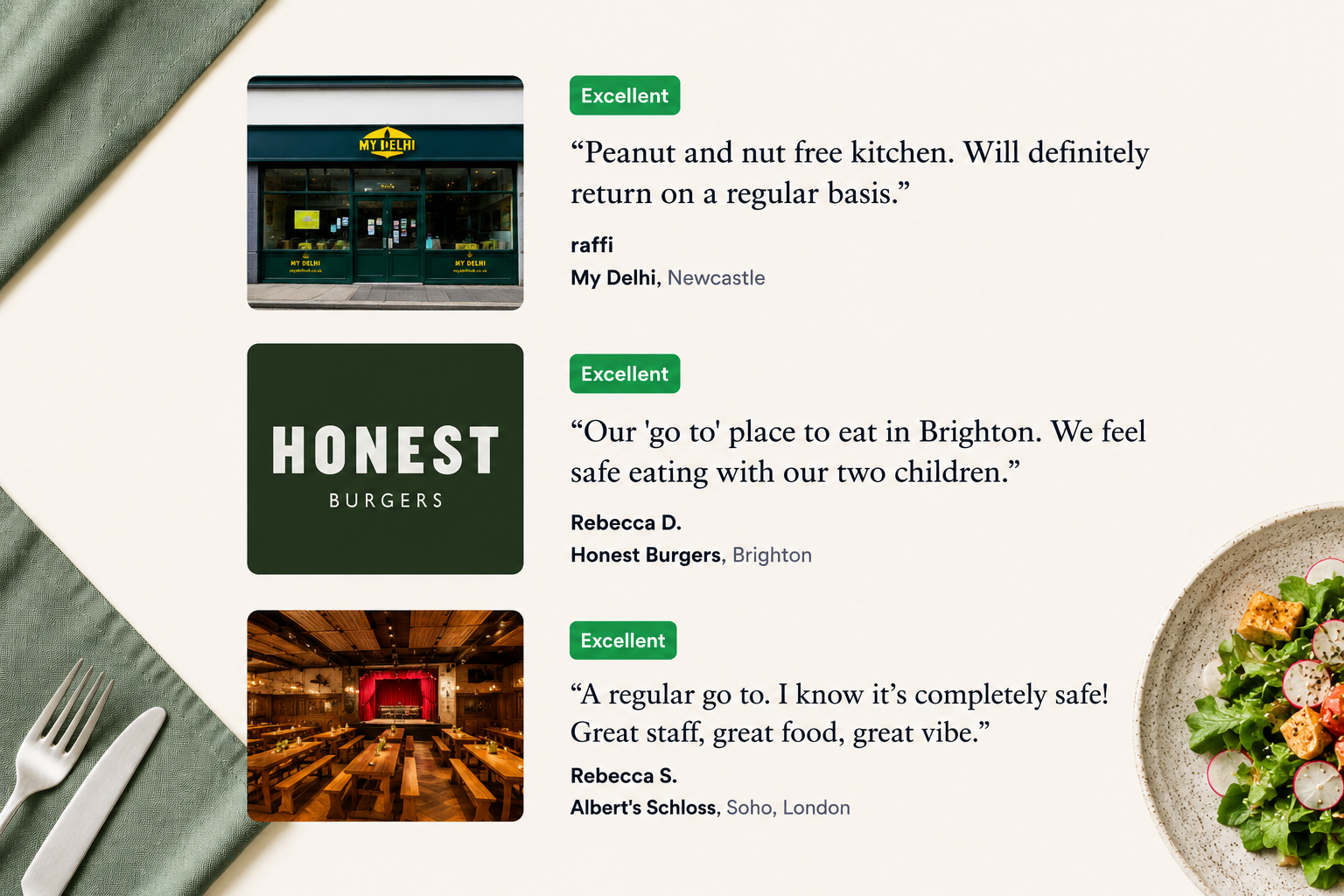
As someone with a severe nut allergy, finding places that feel comfortable to eat can be surprisingly difficult, especially for something quick, healthy and convenient during the working day. Once I found somewhere I trusted, I kept going back.
And I am far from alone. Since building TrustDiner, we have seen this same pattern repeatedly. Diners with allergies often become incredibly loyal to places where they feel comfortable, understood and reassured¹. Across the UK, millions of people decide where to eat based on how well allergens are communicated.
More than £700 million of UK hospitality spend is influenced by allergy confidence²
Food allergies are often viewed as a compliance issue. We think they are also a customer acquisition and retention opportunity.
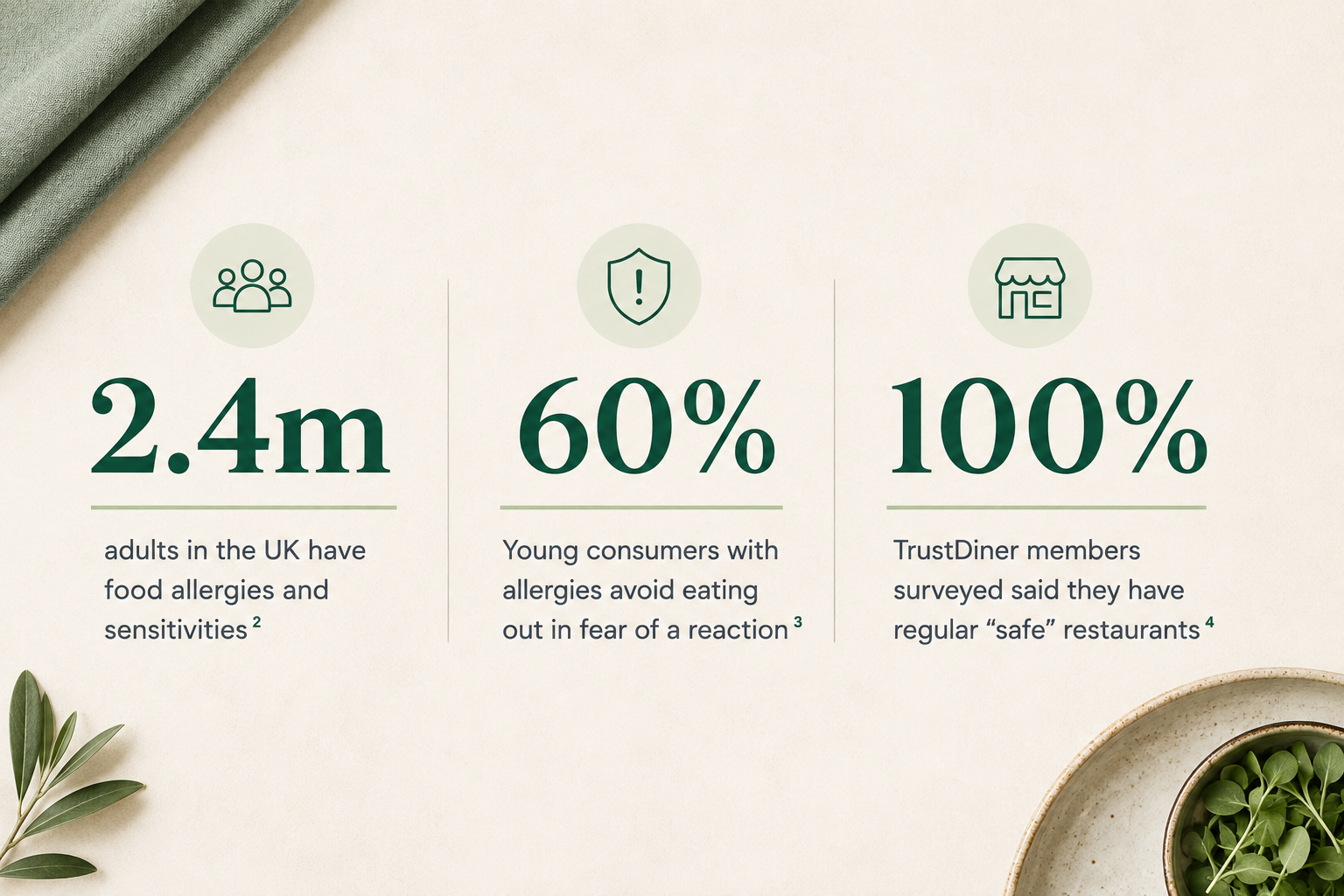
Around 2.4 million UK adults have a clinically confirmed food allergy³, with millions more managing food intolerances or coeliac disease. We estimate that more than £700 million of UK hospitality spend is influenced by food-allergy confidence, venue trust and allergen communication.
That figure is likely conservative. It only considers adults with clinically confirmed food allergies and excludes children, tourism spend and the wider group effect that often accompanies allergy-related dining decisions.
When those factors are considered, the potential hospitality opportunity is likely to exceed £1 billion annually.
The customers you never see
One of the biggest challenges for hospitality businesses is that they rarely know when they have lost a customer.
If diners cannot find allergen information easily online, they often quietly choose somewhere else⁴. In many cases, the business may have been able to help, but the customer never felt confident enough to ask.
And when one person in a group has an allergy, it often influences where the whole group chooses to eat.
Most diners with allergies are not expecting every venue to cater for them. What they want is clarity before they visit.
Businesses that clearly explain what they can and cannot accommodate help customers make informed decisions before they arrive. That builds trust, reduces uncertainty during service and helps attract customers who may otherwise never have considered visiting.
For millions of people, deciding where to eat is not just about food quality, price or location. It is about whether they feel comfortable walking through the door in the first place.
This is the gap TrustDiner was built to help solve
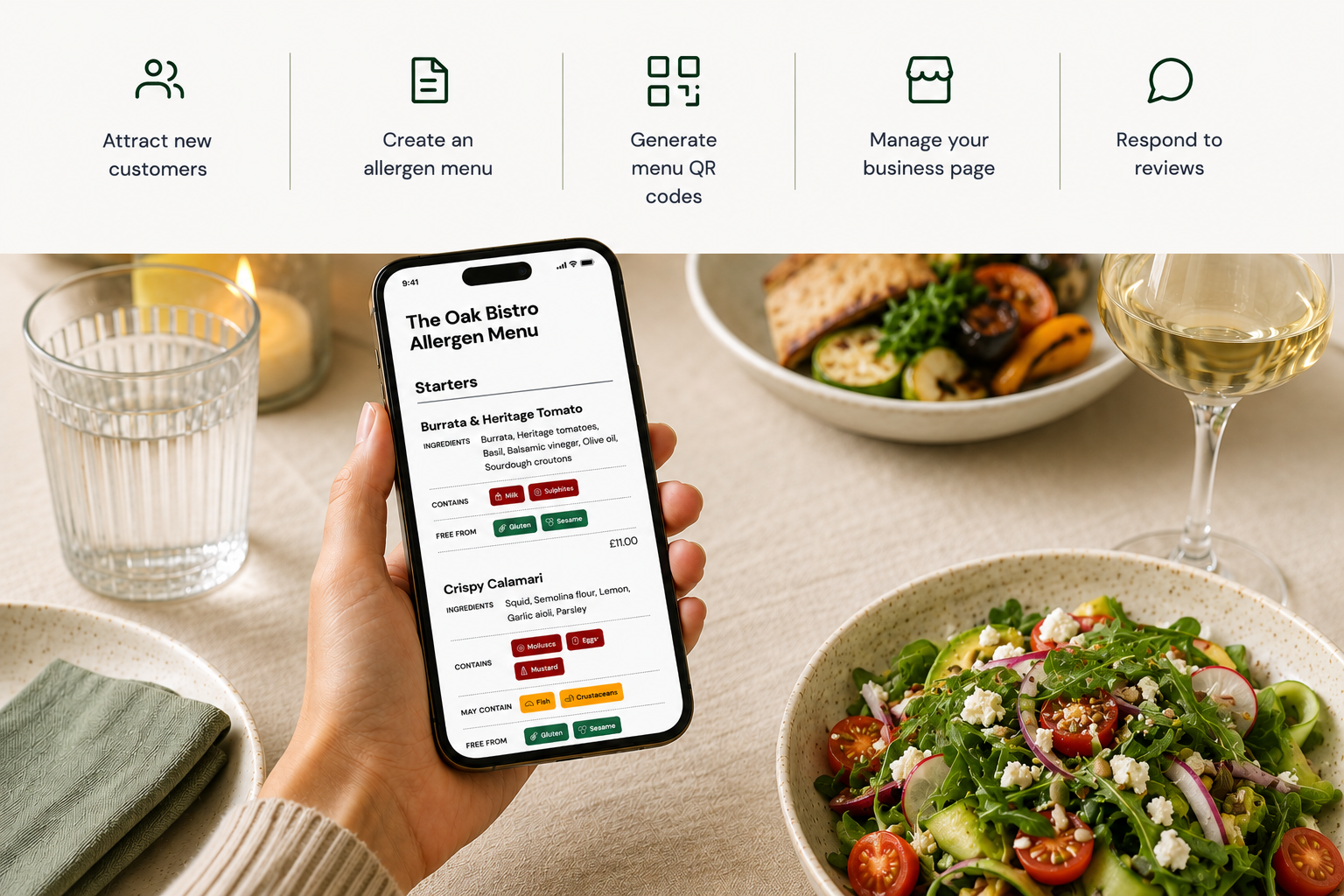
TrustDiner helps hospitality businesses make allergen information easier to discover, understand and trust before a customer visits.
By improving allergen communication, businesses can:
Reach customers who may never have considered visiting
Build confidence before a booking is made
Generate trusted reviews from allergy-conscious diners
Reduce uncertainty during service
Encourage repeat visits from customers who value consistency and trust
For many businesses, the opportunity is not creating demand. The demand already exists.
The challenge is helping those customers find you, trust you and choose you.
Want to attract more allergy-conscious customers and communicate allergens with confidence?
Learn more about TrustDiner for Business →
Sources & Methodology
¹ TrustDiner Beta User Survey 2025
Survey responses from early TrustDiner members - 100% TrustDiner members surveyed said they have regular “safe” restaurants⁴
² TrustDiner estimate methodology
The £700 million estimate uses conservative assumptions based on UK food allergy prevalence, dining frequency and hospitality spend.
Approximately 2.4 million UK adults live with a clinically confirmed food allergy³
One eating-out occasion per week
Around half of adults with food allergies are assumed to actively influence venue selection for themselves or their dining group
60% of dining occasions are assumed to be affected by allergy-related confidence and information barriers, informed by research showing many allergy sufferers avoid eating out due to safety concerns⁴
£20 average hospitality spend per visit
Calculation
1.2 million diners × 52 visits × 60% × £20 average spend = approximately £748 million annually.
Rounded conservatively, this suggests that more than £700 million in annual UK hospitality spend is influenced by food-allergy confidence, venue trust and allergen communication.
The estimate is intentionally conservative and only models adults with clinically confirmed food allergies. It does not account for children, food intolerances, coeliac disease, tourism spend, premium hospitality occasions, or the wider group effect, where one person's allergy often influences where an entire table chooses to eat.
³ Food Standards Agency (Patterns and Prevalence of Adult Food Allergy, 2024)
The Food Standards Agency's PAFA study found that approximately 6% of UK adults have a clinically confirmed food allergy, equivalent to around 2.4 million adults.
Research report: https://science.food.gov.uk/article/126077-patterns-and-prevalence-of-adult-food-allergy
⁴ Anaphylaxis UK
Research into the experiences of young people with food allergies found that:
60% had avoided eating out because of their food allergy
87.5% would leave a venue if they were not confident in the allergen information provided
Source: https://www.anaphylaxis.org.uk/survey-young-people-allergies-eating-out/
The Wider Opportunity
Food Standards Agency research suggests the wider population managing food hypersensitivity extends beyond clinically confirmed food allergies alone. The FSA's Food and You 2 survey found:
12% of respondents reported a food intolerance
1% reported coeliac disease
Source: https://www.food.gov.uk/research/food-and-you-2
When broader dining behaviour across these groups is considered, the potential hospitality opportunity is likely to exceed £1 billion annually.
That is why we describe this as invisible demand. The customers already exist. In many cases, hospitality businesses simply do not have the visibility, confidence signals or allergen communication in place to reach them effectively.
Additional Sources Referenced
Allergy UK
95% of people with food allergies say they would feel more confident eating at a venue recognised as allergy aware. https://www.allergyuk.org/living-with-an-allergy/eating-out/
Food Standards Agency
Young people and food allergies research: https://www.food.gov.uk/research/food-allergy-and-intolerance-research/young-people-and-food-allergies-and-intolerances
Managing allergy anxiety when eating out: https://food.blog.gov.uk/2021/03/16/managing-your-allergy-anxiety-when-eating-out/
Industry Sources
UKHospitality
CGA by NIQ
Lumina Intelligence
Mintel UK Foodservice Reports
Statista UK Hospitality Market Data
One thing I'd still consider: because the £1 billion opportunity is now a major claim in the article, you could arguably put a ² after that sentence as well, since it's an extrapolation from the same TrustDiner methodology rather than a separate sourced figure. That would make the sourcing even cleaner.